
Financial Wellness
Goal Reminders That Fit Your Pay Cycle
Set financial goal reminders around paydays, bills, and check-ins so progress stays visible without treating alerts as advice or guarantees.

Goal reminders are easier to use when they match how money actually arrives and leaves. A reminder that says “save more” can feel vague. A reminder that appears after payday, before a bill, or during a mid-cycle review gives you a specific moment to check what is realistic.
This guide is educational, not financial, legal, tax, accounting, investment, credit, or banking advice. It does not guarantee savings, credit outcomes, rewards, cash advance availability, approval, terms, funding timing, or any financial result. The goal is practical: use reminders to keep important money decisions visible before the next pay cycle gets tight.
Why goal reminders work better with timing
A goal can be reasonable in a monthly budget and still be hard to follow if the reminder arrives at the wrong time. Paydays, rent, utilities, subscriptions, groceries, transportation, childcare, and debt payments do not all happen on the same day. Timing affects whether a goal contribution feels manageable or rushed.
The Federal Reserve’s 2025 report on the economic well-being of U.S. households in 2024 found that 63 percent of adults said they would cover a hypothetical $400 emergency expense using cash or its equivalent. Broad data cannot tell you what to do with your own money, but it does show why short-term visibility and small buffers matter for many households.
The Consumer Financial Protection Bureau’s financial well-being resources frame financial well-being around control, capacity to absorb shocks, progress toward goals, and freedom to make choices. A reminder system cannot create those outcomes by itself, but it can support one useful habit: reviewing a goal before money is already committed somewhere else.
Start with one goal and one pay cycle
Do not begin with every goal at once. Pick one goal that has a clear purpose and a realistic review window. That could be a small emergency buffer, a bill cushion, a transportation reserve, a subscription cleanup goal, or a planned expense.
Write down:
- What the goal is for.
- Why it matters in the next few pay cycles.
- The smallest useful amount to protect or set aside.
- Which bills or expenses should come first.
- When income is expected to arrive.
- When you will review the goal again.
This keeps the reminder tied to a decision. Instead of “work on savings,” the reminder becomes “after payday, review whether $15 can stay untouched until the utility bill clears.”
Put reminders before decisions, not after them
The strongest reminder usually arrives before the money decision, not after it. A notification at the end of the month may explain what happened, but it may not help you protect a goal during the week when choices were made.
Use reminders at these points:
| Reminder moment | What to review | Why it helps |
|---|---|---|
| Payday or deposit day | Required bills, food, transportation, and the goal amount | The plan starts before spending spreads out |
| Three to five days before a large bill | Whether the goal amount should wait | A bill can change what is realistic |
| Midway between paydays | What changed since income arrived | Small adjustments are easier than a last-day scramble |
| Before an automatic transfer | Whether bills and essentials are still covered | Goal progress should not create a new shortfall |
| End of the pay cycle | What reminder came too early or too late | The next cycle can be easier to set |
The CFPB’s Your Money, Your Goals toolkit includes tools for tracking income, bills, spending, cash flow, and goals. The useful idea is simple: goals fit better when they are reviewed alongside the money already scheduled to move.
Use connected account insights carefully
Connected account insights can make reminders easier to set because recent transactions, categories, recurring charges, budgets, goals, and income plans can be reviewed closer together. They are planning aids, not final answers.
Data can be delayed, incomplete, duplicated, or categorized incorrectly. A merchant name may be unclear. A pending transaction may change. A bill can arrive outside the usual pattern. Review the actual account activity before relying on a reminder.
Naverica’s financial wellness resources are designed to help users review account activity, budgets, goals, reminders, income plans, and insights in one place. These tools are meant to help with visibility and planning. They are not banking custody, underwriting, credit repair, or financial advice.
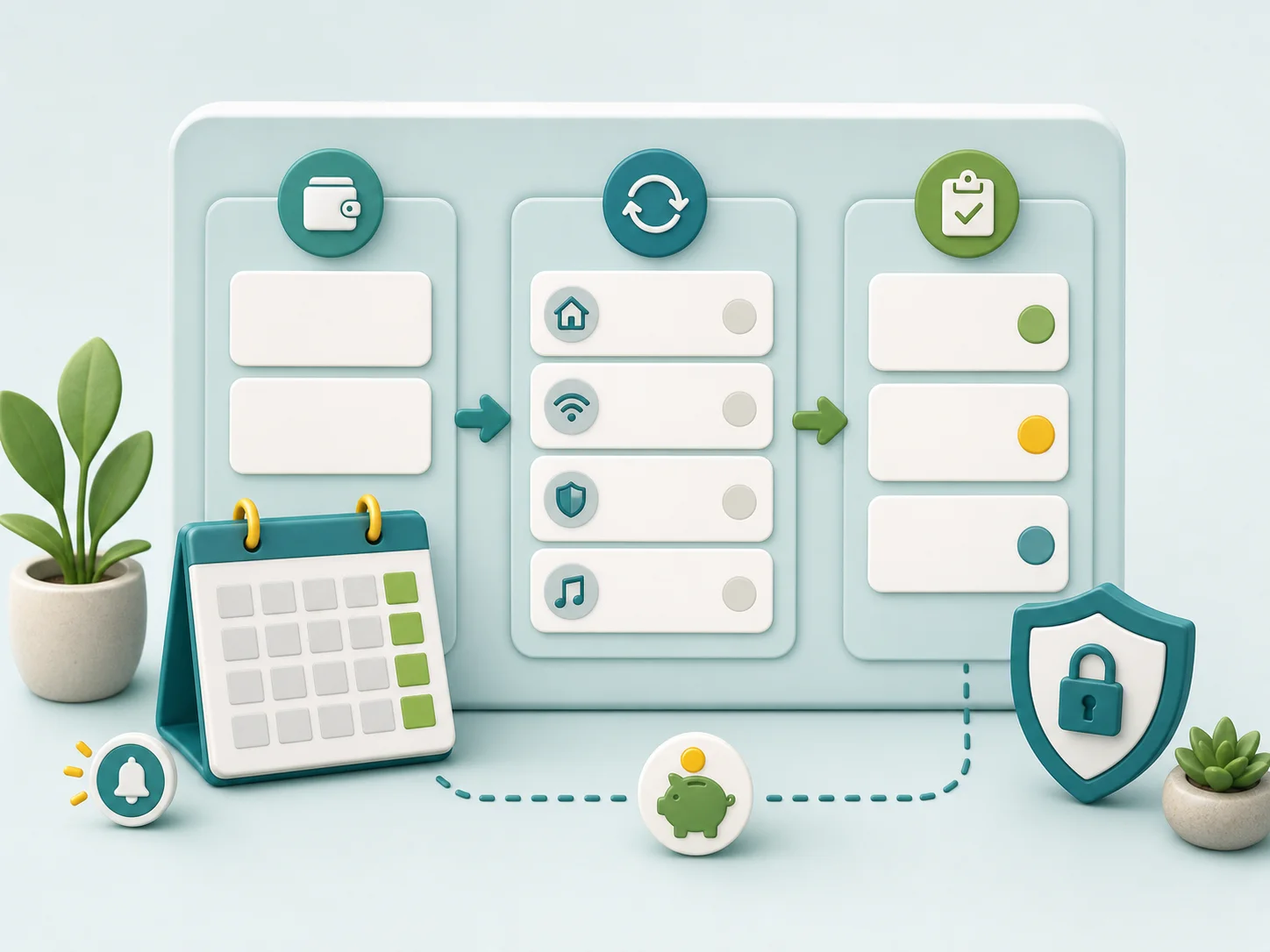
Match each goal to the right reminder type
Different goals need different reminders. A single weekly alert may be enough for a flexible goal, but a bill cushion may need more precise timing.
Use this simple match:
- Bill cushion: remind before the bill date and again after it clears.
- Emergency buffer: remind after payday, before optional spending begins.
- Planned purchase: remind when comparing whether the purchase still fits the pay cycle.
- Subscription cleanup: remind before renewals, not after the charge posts.
- Debt or repayment review: remind before the payment due date, with enough time to read terms and check the account.
- Rewards cash-out planning: remind only as a review step, not as required bill money.
The FDIC’s Money Smart for Adults materials include education on spending, saving, credit, and consumer protection. For goal reminders, the practical takeaway is to keep the goal specific enough that you can check it against real income and real obligations.
Keep rewards separate from required bills
Rewards can be helpful when they are treated as a possible extra. They should not be used as the foundation for rent, utilities, repayment, childcare, groceries, or other required costs.
Naverica Rewards depend on participating partners and program rules. Rewards credits are not bank balances, deposits, wages, or guaranteed income. Current rewards may cash out only through approved PayPal or bank draft options when available and eligible.
If rewards appear in your reminder plan, keep the reminder phrased carefully. Try “review whether rewards are available after bills are covered” instead of “use rewards for the bill.” For more detail, see the help overview on rewards and redemptions.
Check the reminder against the full budget
A goal reminder should never be reviewed in isolation. Before moving money, check the full pay-cycle picture:
- What bills still need to clear?
- Which automatic payments are scheduled?
- What essentials are likely before the next payday?
- Did income arrive as expected?
- Is there a pending transaction that could change the available amount?
- Would this goal contribution create pressure later in the cycle?
- Is there a lower-risk next step, such as waiting one more payday?
Consumer.gov’s guide to making a budget explains the basic habit of comparing income with expenses and deciding where money should go. A goal reminder should support that broader review rather than replace it.
Review the reminder after the cycle ends
The end of a pay cycle is where the reminder system improves. You do not need a perfect plan. You need a short review that helps the next cycle start with better timing.
Ask:
- Did the reminder arrive early enough?
- Did the goal amount fit after required bills?
- Did any recurring charge surprise you?
- Did the connected account view need correction?
- Did a reward, transfer, or deposit take longer than expected?
- Should the next reminder be smaller, later, earlier, or paused?
America Saves’ consumer education on setting a savings goal emphasizes making a goal specific and personal. That same idea applies to reminders: the more specific the trigger, the easier it is to decide whether the next step still fits.
Build a calmer goal reminder habit
A useful goal reminder does not tell you what financial decision to make. It gives you a better moment to review the decision.
Start with one goal. Place reminders around payday, large bills, mid-cycle checks, and end-of-cycle review. Use connected account insights as a helpful planning view, but double-check the details. Keep rewards separate from required bill money. Adjust the reminder after each pay cycle so it reflects what actually happened.
That kind of reminder habit does not guarantee an outcome, but it can make goals easier to see before the next pay cycle is already under pressure.