
Financial Wellness
Paycheck Cash Flow Plan for Between-Payday Bills
Build a paycheck cash flow plan that maps income timing, bill dates, small buffers, and safer next steps between paydays.

A paycheck cash flow plan helps you see whether your bills, reminders, goals, and everyday spending line up with when money actually arrives. It is different from a monthly budget. A budget can say the month works on paper while a bill still lands three days before payday.
This guide is educational, not financial, legal, tax, or investment advice. It does not guarantee that a cash-flow gap can be avoided or that any product, advance, reward, or partner service will be available. The goal is simpler: build a clearer view of timing so the next step is less rushed.
Why a paycheck cash flow plan matters
Many money decisions are timing decisions. Rent, utilities, subscriptions, childcare, insurance, debt payments, groceries, and transportation do not always wait for payday. A plan that only totals the whole month can miss the week where the account balance feels tightest.
The Federal Reserve’s 2025 report on the economic well-being of U.S. households in 2024 found that 63 percent of adults said they would cover a hypothetical $400 emergency expense using cash or its equivalent, unchanged from the prior two years and below 2021. The same report found that 51 percent of adults reported spending less than their income in the month before the survey. Those figures are broad, not personal instructions, but they show why short timing gaps and small buffers deserve attention.
The Consumer Financial Protection Bureau’s Your Money, Your Goals toolkit includes tools for tracking income, paying bills, and creating a cash-flow budget. The practical theme is useful: income, bills, goals, and protections are easier to manage when they are visible together.
Start with paydays before categories
Begin with when money is expected to arrive. Use actual dates, not a vague label like “twice a month.” If income varies, use the date and amount you can reasonably count on, then treat anything extra as separate until it arrives.
Write down:
- Regular paydays.
- Expected benefit, gig, or side-income dates.
- Any deposits that sometimes arrive early or late.
- Income that depends on hours, tips, commissions, reimbursements, or platform timing.
- Deposits that should not be treated as spending money, such as money set aside for taxes or a shared bill.
This first step prevents the plan from becoming wishful. If the next payday is June 26, the key question is not whether the month looks fine. It is what has to happen before June 26.
Put every bill on the calendar
Next, map the bills that are already known. Include the payment date, the amount, and whether the date can move.
Use three groups:
| Bill type | Examples | What to check |
|---|---|---|
| Fixed date | Rent, loan payments, insurance, phone plan | Is the due date before or after payday? |
| Flexible date | Some subscriptions, utilities, card payments, memberships | Can the due date be changed without a fee or service issue? |
| Variable amount | Groceries, transportation, childcare, medical costs, utilities | What amount should be reserved before payday? |
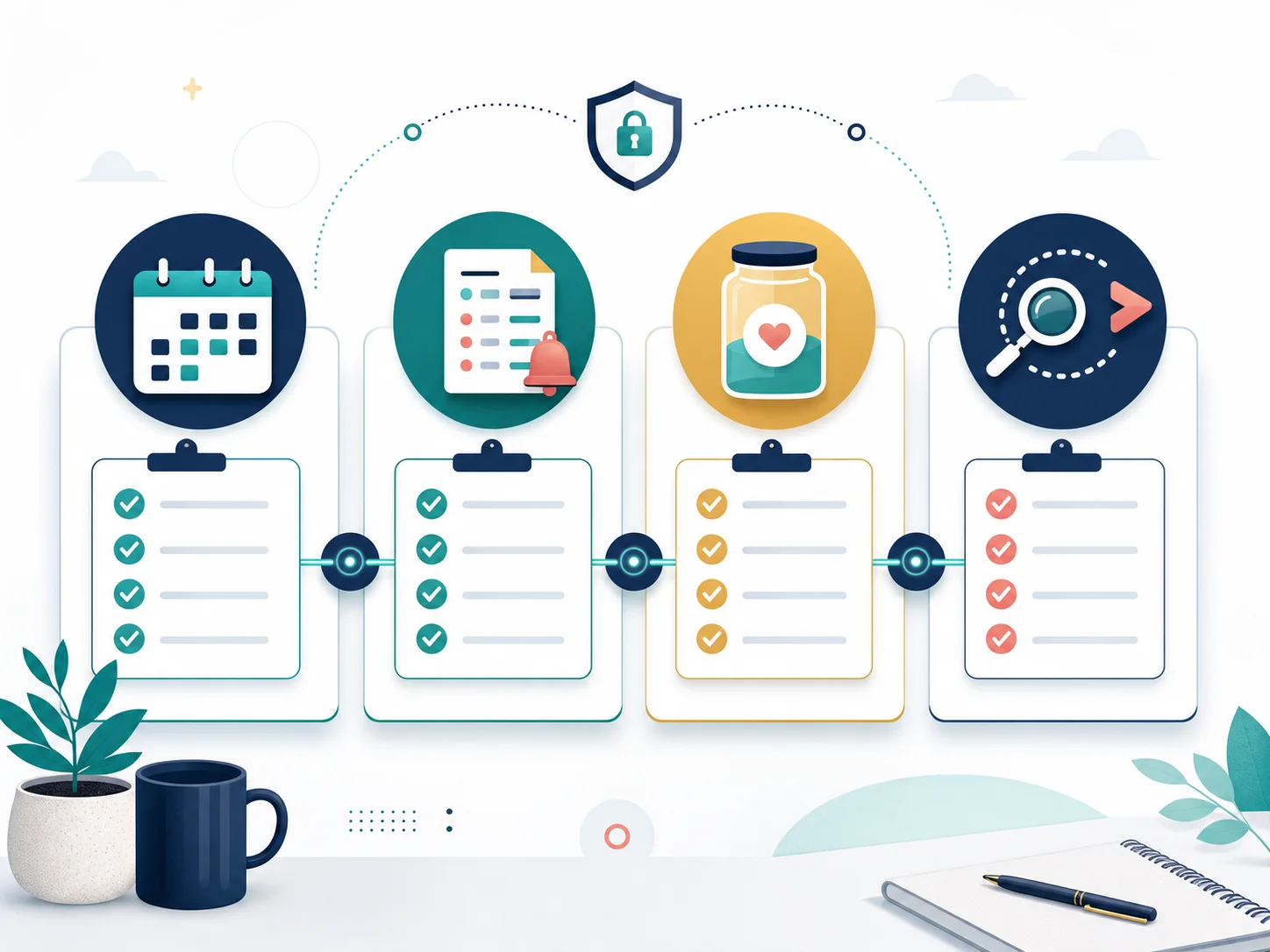
Do not rely only on autopay. Autopay can be helpful, but it can also hide timing problems until a payment attempts to pull from the account. Review each automatic payment and make sure the date still matches your current pay cycle.
Find the tightest week
After paydays and bills are on the calendar, look for the lowest-balance stretch. That is the week where decisions matter most.
Ask:
- Which bills land before the next paycheck?
- Which bills are essential and cannot move?
- Which expenses are predictable but not listed as bills?
- Which subscriptions or optional purchases could wait?
- Is a small transfer to savings realistic before spending starts?
- Are there any fees, overdrafts, or late charges that could make the gap worse?
This review is not about blaming yourself for a tight week. It is about knowing where the pressure is before the pressure decides for you.
Build a small buffer with a purpose
A buffer does not have to start as a full emergency fund. For a paycheck cash flow plan, the first buffer can be narrow and practical: enough to keep one bill, grocery run, transit need, or automatic payment from creating a scramble.
Try one simple rule:
- Keep a small amount untouched until the tightest week passes.
- Move a small amount after payday into a separate savings pocket or account.
- Round up planned expenses and leave the difference as cushion.
- Use one-time extra income to protect the next bill cycle before adding new commitments.
- Review the buffer after each pay cycle instead of waiting for the end of the month.
The FDIC’s Money Smart for Adults materials are a useful source for broader education on spending, saving, credit, and consumer protection. For this plan, the key is to keep the first buffer specific enough that it is easy to protect.
Use reminders before the deadline
Reminders work best when they happen early enough to change a decision. A reminder on the bill due date may prevent a missed payment, but it may not help if the money was already spent earlier in the week.
Set reminders for:
- The day income is expected.
- Three to five days before a large bill.
- The day before an automatic payment.
- A weekly account review.
- The midpoint between paydays.
- Goal contributions that should happen before optional spending.
Naverica’s financial wellness resources are built around practical awareness: connected account review, transaction summaries, budgets, goals, reminders, income plans, and insights. These tools are meant to help users see patterns and plan next steps. They are not financial advice, credit repair, banking custody, or underwriting.
Decide what happens when the plan shows a gap
Sometimes the calendar shows that the gap is real. That does not mean one product is automatically the answer. A timing gap, a recurring income shortfall, an unexpected expense, and a bill-priority problem can require different next steps.
Review options carefully:
- Can the biller change the due date or offer a payment plan?
- Can a nonessential expense wait until after payday?
- Is there a lower-cost way to handle the shortfall?
- Would using credit or another financial product create a harder next pay cycle?
- Does the option include clear fees, repayment timing, and cancellation terms?
- Are you sharing information through a secure, expected channel?
Avoid decisions based on guaranteed-sounding language. Naverica does not lend its own capital, make underwriting decisions, guarantee cash advance availability, or promise any specific funding, rewards, payout, repayment, savings, or credit outcome. Availability, terms, and timing can vary by provider rules, user eligibility, consent, state availability, and applicable law.
Keep rewards separate from bill money
Rewards can be useful when they are treated as separate from required bill money. They should not be counted as guaranteed income for rent, utilities, repayment, or other essentials.
Naverica Rewards depend on participating partners and program rules. Rewards credits are not bank balances, deposits, or guaranteed income. Current rewards may cash out only through approved PayPal or bank draft options when available and eligible. If you use rewards, keep them in the plan as a possible extra, not the foundation of a bill payment.
For more detail, see the help overview on rewards and redemptions.
Review after every pay cycle
A paycheck cash flow plan improves when it is compared with what actually happened.
At the end of each pay cycle, ask:
- Which bill date caused the most pressure?
- Which expense was easy to forget?
- Which reminder arrived too late?
- Did the buffer stay protected?
- Did any subscription, fee, or variable expense surprise you?
- What should move on the calendar before the next payday?
This review can stay short. Ten minutes is enough if the calendar is already built. The point is not to create a perfect system. The point is to make the next two weeks easier to understand than the last two.
Use the calendar to make calmer next steps
A paycheck cash flow plan turns a broad money question into a timing question: what comes in, what goes out, and where is the tightest point before the next payday?
Start with pay dates. Add bills and automatic payments. Mark the tightest week. Protect a small buffer if possible. Set reminders before deadlines. Keep rewards separate from bill money. Then review the plan after each pay cycle so the next version is more accurate.
That kind of visibility does not guarantee a financial outcome. It can, however, make everyday money decisions easier to see, explain, and adjust.